culture
Edinburgh's Old and New Towns: The Volcanic Crag and Georgian Planning Behind the World Heritage Scene
Edinburgh Castle on its extinct volcanic rock and the 18th-century layout of the New Town tell the story of how the city took its lasting form.
Listen in English · 3 min
How we reported this
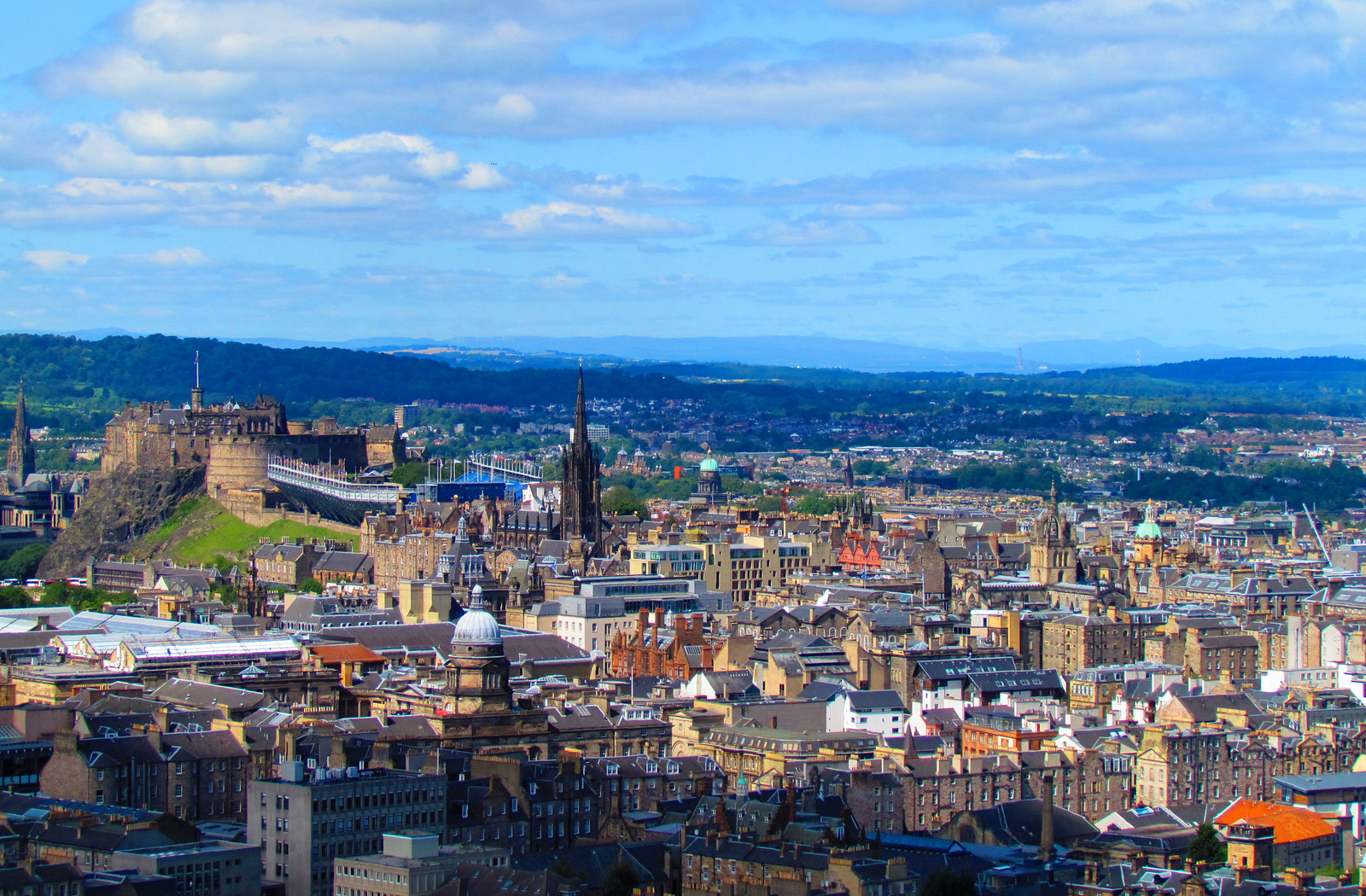
The Old and New Towns of Edinburgh were inscribed as a UNESCO World Heritage Site in 1995, recognising the combined historic fabric that stretches from the volcanic heights of Castle Rock to the ordered streets of the New Town.
The Castle on Castle Rock
Edinburgh Castle stands on Castle Rock, an extinct volcanic crag that provided a natural defensive site long before the modern city grew around it. This elevated position shaped the early settlement and remains the western anchor of the Old Town today.
The Royal Mile Through the Old Town
The Royal Mile runs through the Old Town from the Castle to the Palace of Holyroodhouse. This historic spine connected the fortress on the crag with the royal residence at the opposite end, forming the core route along which much of the early city developed.
The Planned New Town from the 18th Century
The New Town was developed from the 18th century in a planned Georgian layout. Its ordered streets and squares were created to relieve pressure on the crowded Old Town and to give the city a new, elegant extension that complemented the older volcanic core.
The 1995 UNESCO inscription captures how these distinct elements, the natural volcanic foundation and the deliberate 18th-century expansion, together created the scene still visible across the city. The designation highlights the continuity between the ancient crag settlement and the later planned district rather than any single event.
Edinburgh World Heritage and Historic Environment Scotland maintain records of these features, ensuring the volcanic crag, the Royal Mile connection and the Georgian planning remain documented for residents and visitors. The inscription date of 1995 serves as the formal recognition of this layered history.
Visitors can trace the same route from the Castle along the Royal Mile to the Palace of Holyroodhouse to experience the contrast between the volcanic Old Town and the Georgian New Town in one continuous walk. The sites are cared for under the same heritage framework established at the time of the 1995 listing.