news
Edinburgh Officials Warn of Summer Heat, Housing Costs, Festival Strain
From Leith Walk to Morningside, city leaders and community voices are speaking out on the issues shaping Edinburgh's most crowded and costly season.
How we reported this
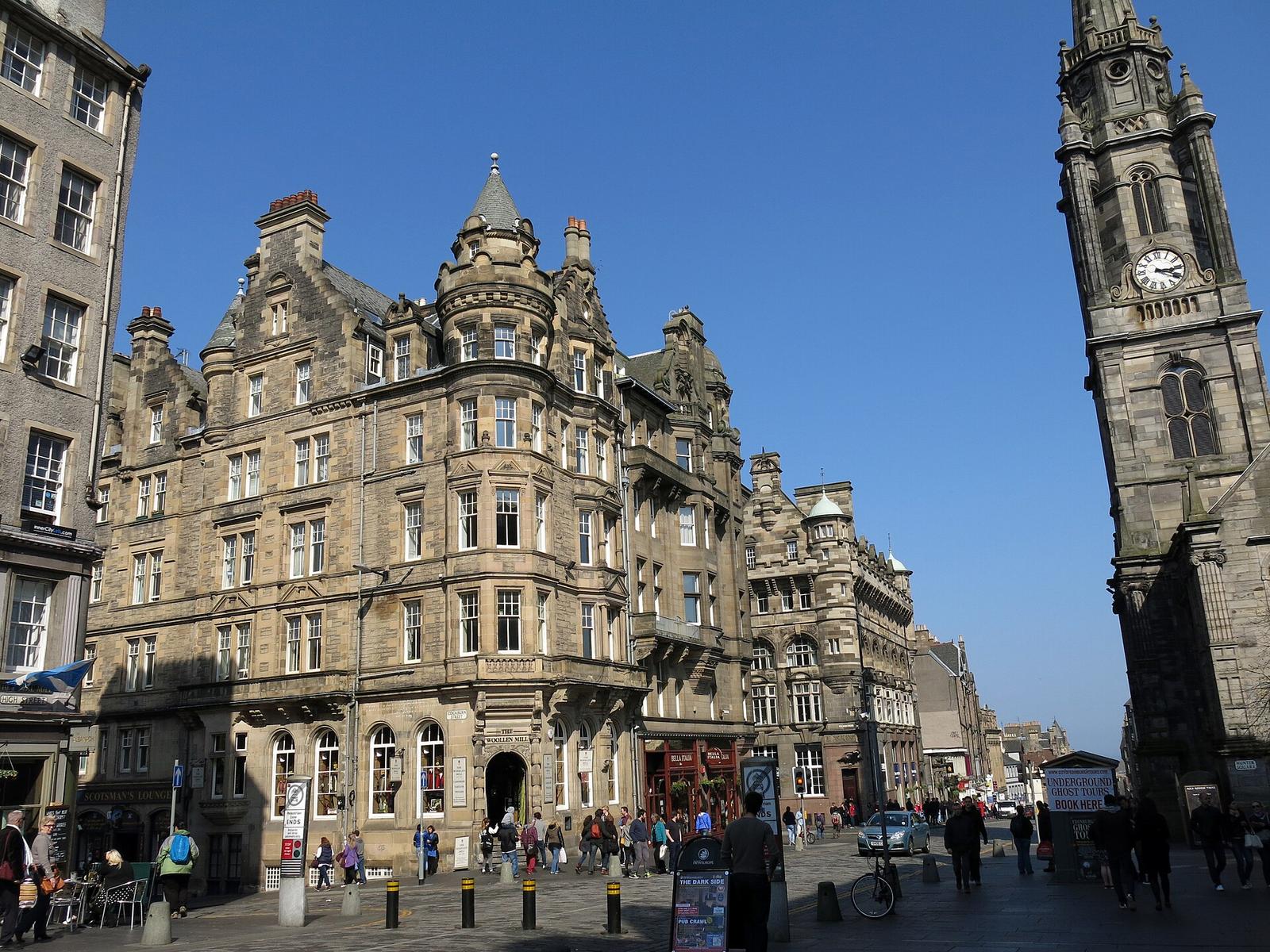
Edinburgh enters the first full week of July with temperatures forecast to climb toward 28°C by the weekend, and with that, a chorus of warnings from council officials, housing advocates and public health figures about a city already stretched thin before the August festivals even begin.
The timing matters. Europe has just recorded its deadliest heat episode in years, with France alone registering more than 2,000 excess deaths at the peak of a recent extreme weather event. Edinburgh's public health directorate confirmed this week that NHS Lothian has updated its heat-health action plan for 2026, placing particular emphasis on older residents in Portobello and Craigmillar, two neighbourhoods identified as having higher concentrations of over-75s living alone. The plan activates formal outreach when temperatures exceed 25°C for two consecutive days.
Housing pressure dominates council chamber debate
City of Edinburgh Council's housing committee met on Tuesday at the City Chambers on the Royal Mile, and the session was dominated by what councillors described as worsening affordability figures. The average monthly rent for a two-bedroom flat in Edinburgh now stands at £1,487, according to the latest Citylets quarterly data, up 6.2 percent year on year and the highest recorded in the city's rental history. Officials on the committee pointed to a net loss of 340 long-term rental properties in the first quarter of 2026, attributed largely to continued migration of landlords into short-term let platforms ahead of the council's licensing enforcement deadline.
Shelter Scotland, whose Edinburgh office operates from Leith Walk, has been calling since March for the council to accelerate the release of land at the former Granton Gasworks site for affordable housing development. The organisation put out a statement this week reiterating that the 3,500-home target for Granton, Edinburgh's largest regeneration project, remains years behind schedule, with only 147 social rent completions delivered so far under the Granton Waterfront masterplan. Council officials, for their part, insist the infrastructure groundwork phase wrapping up this summer will unlock faster delivery through 2027 and 2028.
Fringe economics and the locals who get squeezed out
August is five weeks away, but the economics of the Edinburgh Festival Fringe are already visible across the city centre. Venue operators along the Cowgate and Grassmarket have begun scaffolding and temporary fit-outs. Accommodation prices across the city for the first two weeks of August are running between 40 and 60 percent above comparable periods in London, based on a snapshot of major booking platforms taken this week.
Edinburgh Festival City, the umbrella organisation coordinating public messaging across the Edinburgh International Festival, the Fringe and the Book Festival, briefed city transport officials last month on pedestrian flow projections. It estimates that daily footfall on the Royal Mile could reach 180,000 on peak days in the first week of August, a figure that Lothian Buses has already flagged as relevant to timetabling decisions on the No. 35 and No. 67 routes serving the Southside.
Community councils in Newington and Marchmont have submitted formal representations to the planning authority asking that enforcement of short-term let licensing be tightened before the festival period, rather than after. Their argument: properties operating without a licence during August are effectively beyond meaningful sanction once the season has passed.
For residents trying to plan around all of this, City of Edinburgh Council's heat-health helpline, 0800 111 4222, remains active through September. The council's housing advice service on Cockburn Street is also running extended Thursday evening appointments through July for anyone facing rent pressure or licensing disputes. The next full council meeting is scheduled for 9 July, where the housing committee's findings from this week are expected to come before the full chamber.