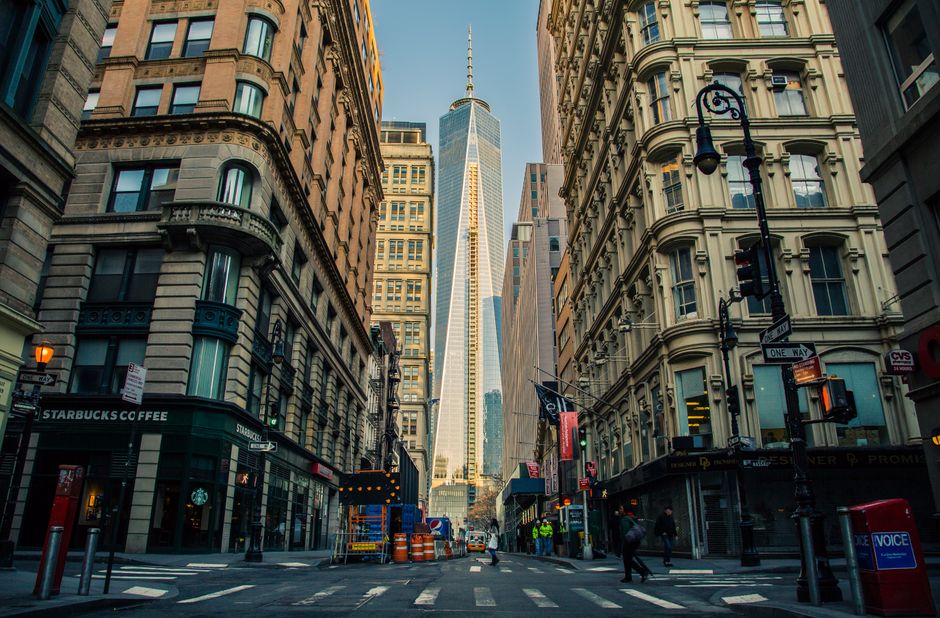
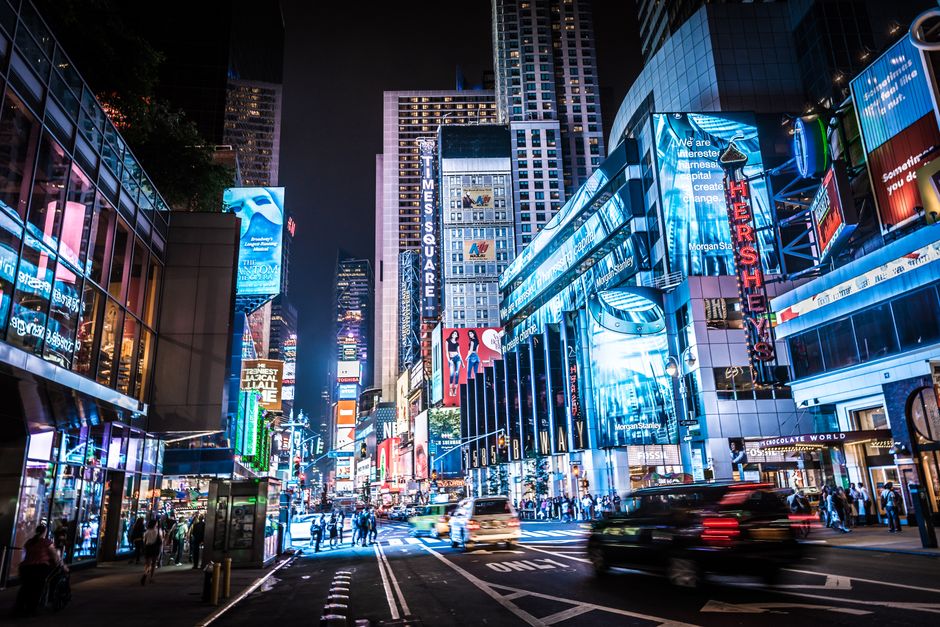
Edinburgh City Council quietly updated its public realm visual policy in March 2026, targeting what planners have been calling the duplicate image problem: the spread of identical or near-identical prints, murals, and commercially reproduced imagery across heritage streetscapes. The Old Town alone had logged more than 40 complaints about copycat artwork in the 18 months prior to the policy revision, according to documentation submitted to the council's planning committee.
The issue matters now because tourist footfall in Edinburgh is projected to return to pre-pandemic peaks this summer, with the city expecting upwards of 4.5 million visitors by year end. High-traffic corridors, the Royal Mile, Victoria Street, and the closes running off the Lawnmarket, have become saturated with mass-produced imagery that reproduces Edinburgh Castle and Arthur's Seat in near-identical formats across dozens of shopfronts and display boards. Residents in Grassmarket and Canongate have raised concerns through the Old Town Community Council that the visual repetition is eroding the distinctiveness that makes the city's streetscape worth visiting in the first place.
The council's March revision introduced a tiered consent system. Street-level display imagery in Category A listed environments, which covers large sections of the Old Town and the New Town's Georgian grid, now requires a pre-application check against a new digital registry. The registry, managed through the council's Planning and Building Standards service at Waverley Court, flags submissions that are substantially similar to imagery already approved within a 200-metre radius. It is, in effect, a duplication filter. Creative Scotland has been consulted on the scheme's cultural dimensions, though the organisation has not taken a formal public position on the specifics.
How Edinburgh Compares to Amsterdam and Berlin
Amsterdam began tackling the same problem earlier. The Gemeente Amsterdam introduced restrictions on replicated commercial street imagery in the Jordaan and De Wallen districts in 2023, with fines of up to €5,000 for unlicensed reproduction of protected visual motifs in heritage zones. The city also embedded a copyright-liaison officer within its urban design unit, a role Edinburgh does not yet have. Berlin's approach through the Senatsverwaltung für Stadtentwicklung has leaned more heavily on community co-production, running workshops in Mitte and Prenzlauer Berg that invite local artists to register original works before commercial operators can reproduce them at scale. The Berlin model explicitly prioritises origination over restriction.
Edinburgh sits somewhere between the two. The registry system borrows from Amsterdam's bureaucratic logic but lacks the enforcement teeth, the March policy update did not specify financial penalties, leaving compliance dependent on the planning consent process rather than active inspection. By contrast, Berlin's community-led approach has produced measurable results: the Senatsverwaltung reported a 28 percent reduction in duplicate image complaints across its pilot districts between 2024 and 2025. Edinburgh has not yet published baseline figures against which its own policy can be measured.
What Comes Next for the Capital
The council's planning committee is due to review the registry's first-year data in January 2027. Between now and then, several pressure points will test the policy. The Edinburgh Festival Fringe in August brings an annual surge of temporary signage and promotional displays across the city centre, many of them reproductions of imagery used in previous years or across multiple venues simultaneously. George Square Gardens, the Pleasance Courtyard, and Bristo Square all fall within zones where the new rules apply, but temporary event licensing has historically operated on a separate track from the visual policy framework.
Property owners and small traders in the Grassmarket have been advised by the council to submit pre-application enquiries before replacing existing exterior displays, a process that costs £234 per submission under current fee schedules. For independent businesses already squeezed by high commercial rents in the Old Town, that upfront cost is not trivial. The council has signalled it may introduce a fee waiver for sole traders, but no formal proposal has reached committee stage. Anyone with a display query can contact the Planning and Building Standards helpdesk at Waverley Court, 10 Waterloo Place, directly, the team is currently processing enquiries within 15 working days.