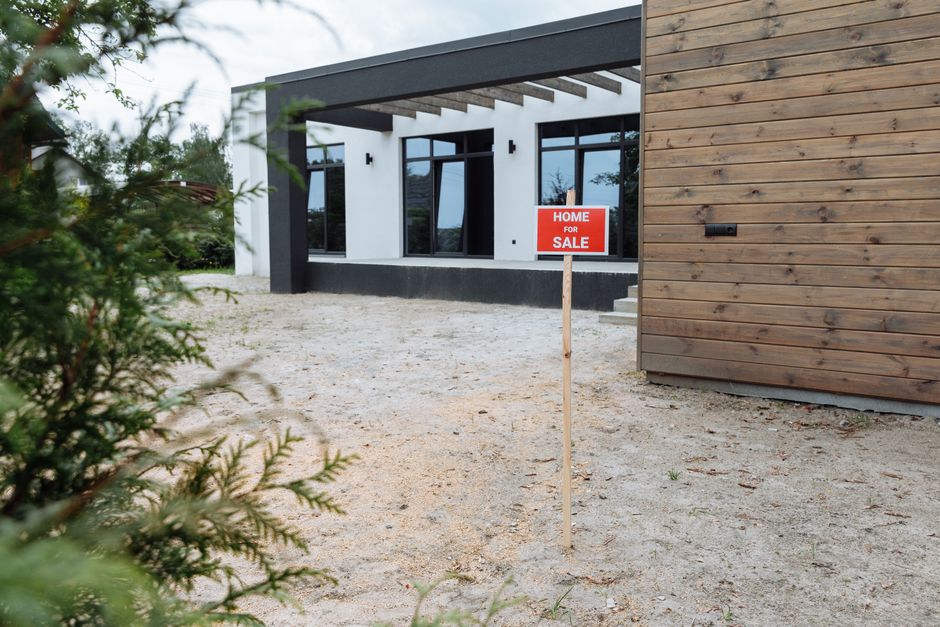
Edinburgh's first-time buyers are splitting into two distinct camps this summer, and the decision they make at the outset could cost — or save — tens of thousands of pounds. On one side: gleaming off-the-plan flats in developments like Granton Waterfront and the Fountainbridge regeneration zone. On the other: tenement flats in Leith, Gorgie and Dalry, where closing dates and competitive offers remain the norm even in a market that has run hard for three years straight.
The distinction matters more acutely now because the Scottish Government's First Home Fund, relaunched in revised form in early 2025 under the name First Home Fund Repayable Grant, is structured differently depending on whether a buyer purchases new or existing stock. First-time buyers of new-build properties can access a shared-equity contribution of up to £40,000, while those buying established homes are capped at £25,000 through the same scheme — a £15,000 gap that brokers say is quietly reshaping where younger buyers are even bothering to look.
The Case for Off-the-Plan in a City Under Construction
Granton is the obvious test case. The City of Edinburgh Council's 20-year masterplan for the waterfront has been steadily delivering new units, with the first phases of Western Harbour already occupied and Granton Central now moving through planning. Developers marketing off-the-plan units there typically offer completion windows 12 to 24 months out, which gives buyers time to save but also exposes them to the risk that valuations at completion won't match what they agreed to pay. In a market where the average Edinburgh flat price crossed £290,000 in the first quarter of 2026 according to Registers of Scotland data, that valuation gap risk is real and not theoretical.
New builds also carry a 10-year NHBC Buildmark warranty as standard, which strips out one of the biggest anxieties around older tenement stock: unexpected structural or systems costs in the first decade. Council tax is frequently discounted for the first six months on a new build. Stamp duty — or Land and Buildings Transaction Tax in Scotland — applies at lower rates for first-time buyers on properties under £175,000, but most Edinburgh new builds now exceed that threshold, so the relief is partial at best.
Why Older Stock Still Makes the Numbers Work for Many
A two-bedroom tenement flat on Easter Road or Angle Park Terrace in Gorgie will typically list between £195,000 and £240,000 in the current market — meaningfully cheaper than comparable new-build square footage in Fountainbridge, where developer pricing for equivalent layouts has been sitting closer to £310,000 to £350,000. The trade-off is condition. Many Victorian and Edwardian tenements in Edinburgh require EPC upgrades to reach band C, which the Scottish Government has signalled will become mandatory for sales by 2028. Buyers need to factor retrofit costs — potentially £8,000 to £15,000 depending on the property — into any budget modelling.
Organisations like the Edinburgh-based charity Changeworks offer free energy efficiency advice and can map out likely retrofit costs before a buyer commits. That resource is underused; first-time buyer uptake of Changeworks' Home Energy Scotland advice line in the Lothians was notably lower than the national average in 2024. Separately, Cyrenians' Affordable Housing Scotland programme operates across the city and can connect buyers with shared-ownership options that sidestep the new-build versus established binary entirely.
The practical advice from brokers familiar with Edinburgh's market is blunt: run the First Home Fund numbers against both scenarios before ruling anything out. Calculate total costs including anticipated maintenance, EPC works and LBTT — not just the headline asking price. Get a survey on any tenement flat before the closing date, not after. And for off-the-plan, insist on a fixed-price contract or get independent legal advice on what happens if the valuation moves between exchange and completion. The grant exists. The question is which property makes it stretch furthest.