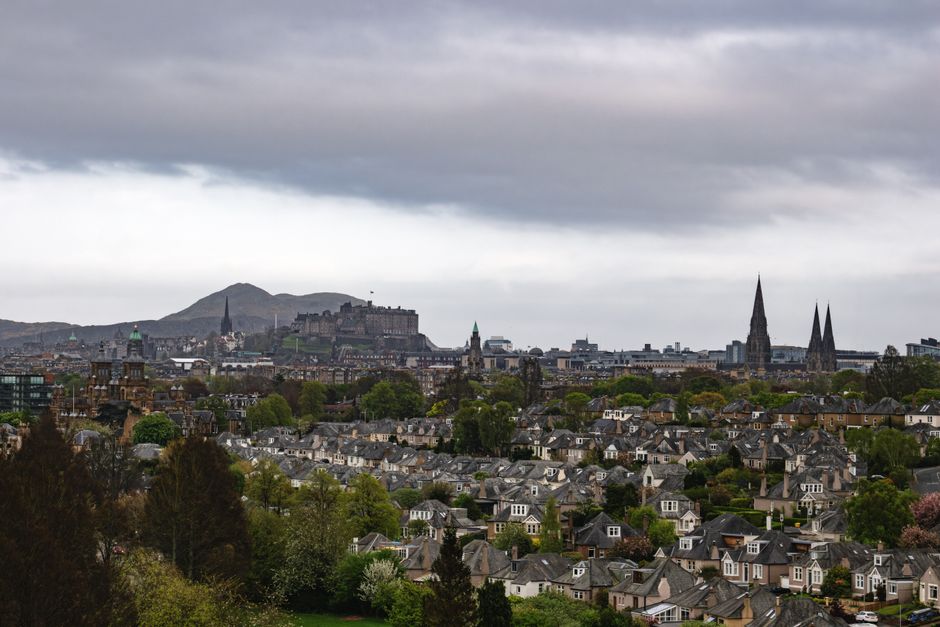
Typical rents for a two-bedroom flat in central Edinburgh have soared past £1,460 a month, new figures reveal, putting the capital well out of reach for many prospective tenants—and intensifying the contrast with regional rental markets.
This widening gap comes as the city’s demand keeps up a relentless pace. In the first half of 2026, letting agents along Leith Walk and in Marchmont have reported that new rental listings are snapped up in under a week, according to the property portal Citylets, raising the stakes for city dwellers hoping to secure long-term housing. Regional cities, meanwhile, have seen far more modest increases—even slight decreases in places like Stirling.
The situation in key hotspots like Bruntsfield and Stockbridge is particularly acute. At a recent council meeting, Edinburgh City Council’s housing committee cited increased pressure on the Scottish Government to address the “capital penalty” facing central belt renters. The council’s Affordable Housing Supply Programme, active since 2025, has delivered nearly 1,500 new social rent homes citywide, but officials admit demand continues to outstrip supply in areas around Lothian Road and Canonmills.
For would-be buyers, the gap is just as stark. Zoopla’s May 2026 data puts Edinburgh’s average first-time buyer price at £275,000—almost £50,000 above the Scottish national average. As mortgage rates hover between 5 and 5.5%, buying remains out of reach for many with modest deposits. The Edinburgh Solicitors Property Centre (ESPC) now estimates the average required income for a city-centre mortgage has crept past £68,000, compared to just £42,500 in Inverclyde and surrounding towns.
Understanding the Numbers
Across Scotland, Citylets’ Q2 2026 Rental Index charts a 10.7% year-on-year increase in Edinburgh rents, outstripping Glasgow’s 7.2% rise and the national average of 5%. But Stirling and Perth both recorded rises below 3%, while the Highland and Islands regions saw even smaller changes, sometimes flat or negative.
But monthly payments don’t tell the whole story for buyers. Savills’ June 2026 market update found that the cost of servicing a typical Edinburgh mortgage exceeds local rents by 25% on average, pushing more city dwellers into the rental sector and fuelling the affordability crisis. By contrast, in Aberdeen, monthly mortgage outgoings remain lower than median rents, explaining why that city’s for-sale market has started to attract more first-time buyers in recent months.
The risk, according to the Edinburgh Poverty Commission, is that lower-income families are being driven to the edges—out to places like Livingston, Bathgate or Fife—while jobs and new development remain concentrated in the centre. “We’re seeing a two-speed market,” the commission noted in a June briefing. “The capital and everywhere else.”
Where Next for Renters and Buyers?
For now, the advice from local letting agents such as DJ Alexander and Umega is clear: act quickly, consider neighbouring areas like Gorgie or Meadowbank, and be ready with paperwork in hand. Those aiming to buy are watching for signs the Bank of England will ease rates by October—but so far, lenders remain cautious. The city council is expected to expand its mid-market rent pilot scheme later this summer, though details were still pending as of this week.
For many, however, the only real alternative may be to look outside the capital altogether. As Edinburgh’s rental and buying costs accelerate away from the national average, the trade-off between location and affordability is becoming starker than ever.