community
Arthur's Seat and Holyrood Park: walks, views and practical advice
Holyrood Park sits beside Edinburgh's Old Town and offers walking routes that climb to Arthur's Seat for wide views across the city and the Firth of Forth.
Listen in English · 4 min
How we reported this
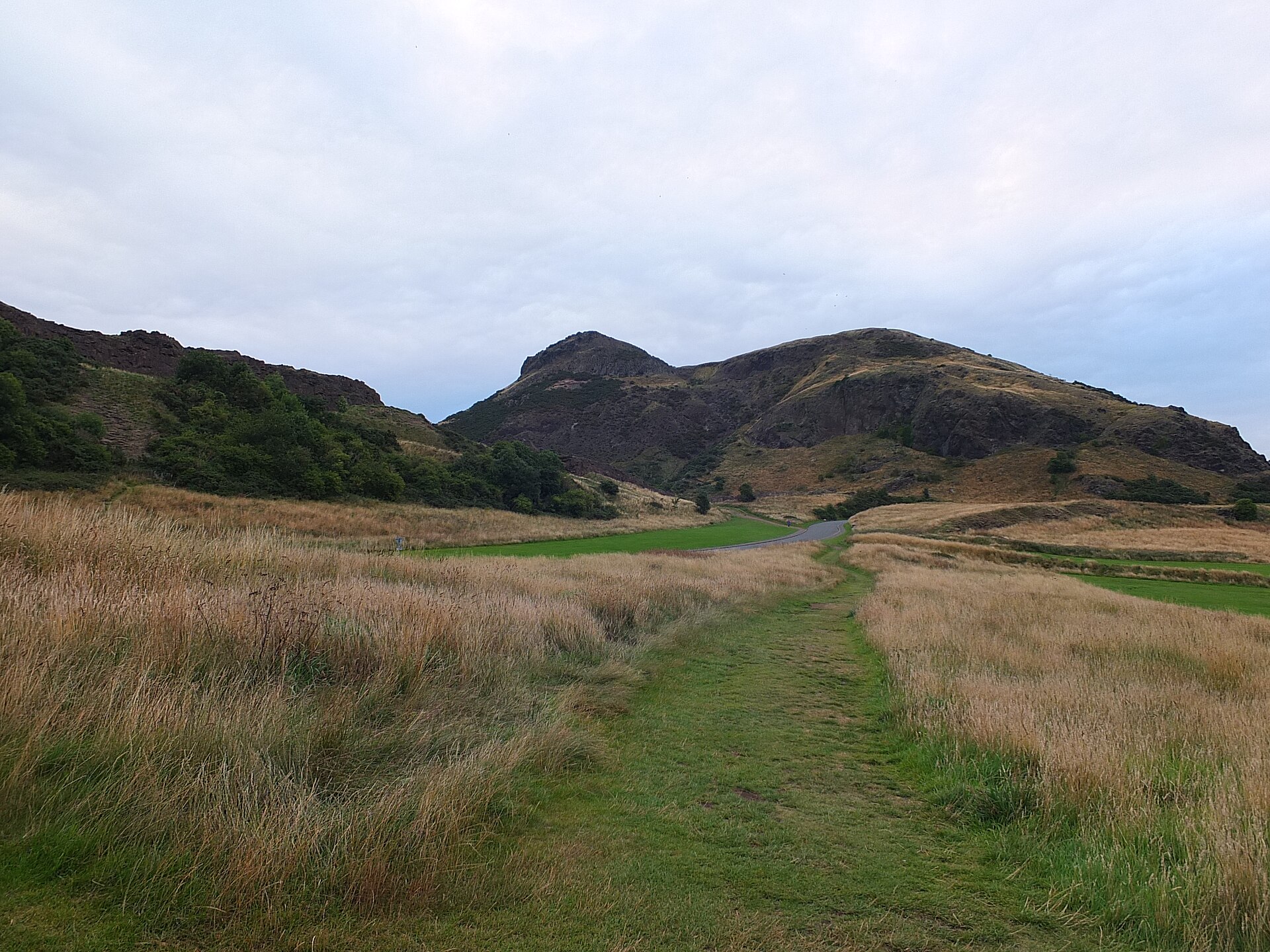
Holyrood Park is a large historic park beside Edinburgh's Old Town and the Palace of Holyroodhouse. Arthur's Seat forms its highest point as the remains of an ancient volcano. The park contains hills, lochs, cliffs, grassland and archaeological remains that draw residents and visitors throughout the year.
Park Features and Location
The park lies directly next to the Palace of Holyroodhouse and stretches across varied terrain that includes open grassland and rocky outcrops. Several walking routes cross the park, with conditions varying by weather and terrain. These paths allow people to move through different sections while staying within the park boundaries that separate the Old Town from further eastern areas.
Arthur's Seat stands out as the highest point and provides a clear focal point for anyone entering from the western side near the palace. The landscape includes lochs and cliffs that change appearance with the seasons, while archaeological remains add layers of history visible along some routes. Elevated positions throughout the park give sightlines toward the Firth of Forth on clear days.
Walking Routes and Views
Walking routes cross the park in multiple directions and lead to different vantage points. Conditions on these paths shift with weather and the uneven ground, so visitors often check forecasts before setting out. The routes range from gentler grassland sections to steeper climbs that reach the summit area around Arthur's Seat.
From higher ground the park supplies elevated views across Edinburgh and toward the Firth of Forth. These sightlines open up once walkers clear the lower slopes and reach clearer ridges. The combination of hills and cliffs creates natural stopping points where the city spreads out below.
Practical Advice for Visitors
Historic Environment Scotland advises visitors to plan routes, wear suitable footwear and take care near steep or uneven ground. The organisation maintains the park and publishes guidance on its official site that covers access and safety considerations. City of Edinburgh Council also lists the park among the city's public green spaces for general information on opening and maintenance.
People planning a visit can review route options in advance and adjust plans according to the day's conditions. Suitable footwear helps on sections where terrain changes quickly between grass and rock. Staying aware of the park's cliffs and slopes reduces risks while still allowing time to enjoy the views from Arthur's Seat and other high points.