Wellness
Building Psychological Resilience with Small Daily Habits
Edinburgh's wellness community is making the case that mental strength isn't built in therapy rooms alone — it starts with what you do before breakfast.
4 min read
Wellness
Edinburgh's wellness community is making the case that mental strength isn't built in therapy rooms alone — it starts with what you do before breakfast.
4 min read
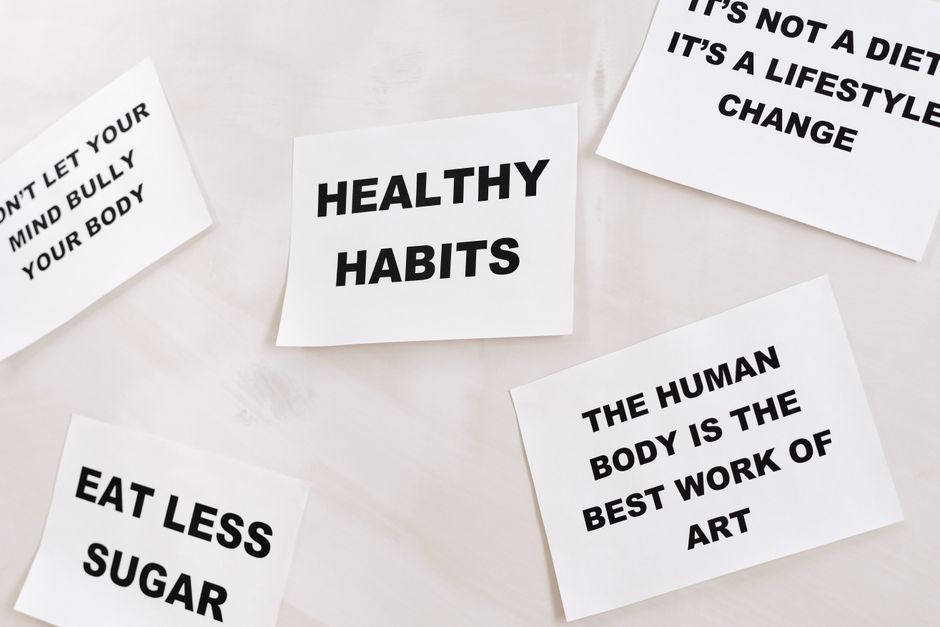
Scottish adults reported higher rates of psychological distress in 2025 than at any point since the 2008 financial crash, according to Public Health Scotland figures published in March. The statistic landed quietly, buried beneath cost-of-living data, but clinicians and community organisations across Edinburgh have been responding to it all year — not with dramatic interventions, but with something more modest and, some argue, more durable: the accumulation of small, daily protective habits.
The timing matters. July brings longer days and a false sense of ease, but mental health professionals consistently flag the post-summer return to routine in August and September as a pressure point for adults across the city. Building resilience now, before the autumn crunch, is not a luxury. It's practical preparation.
The science behind micro-habits and psychological resilience has grown substantially in the last decade. A 2023 review published in the journal Lancet Psychiatry found that consistent low-intensity behaviours — a ten-minute walk, three minutes of controlled breathing, limiting screen exposure before sleep — produced measurable reductions in cortisol levels within six weeks. Crucially, the effects were comparable across socioeconomic groups, which matters enormously in a city where mental health outcomes in Leith Walk's more deprived postcodes still lag behind those in Morningside by a statistically significant margin.
Edinburgh's own data reinforces the point. NHS Lothian's 2024-25 annual report noted that referrals to its Talking Therapies service had risen 18 percent year-on-year, with waiting times for a first appointment stretching to 14 weeks in some areas. That gap — between need and clinical access — is precisely where community-led habit work has begun to fill the void.
Cost is a real factor. A standard eight-session course of private cognitive behavioural therapy in Edinburgh currently runs between £480 and £640. Not everyone can access that. The habits approach, by contrast, is largely free, which is why community organisations have leaned into it hard.
Breathing Space Scotland, the national mental health phoneline operating from offices at Shandwick Place, has expanded its online resource library this year to include a structured five-week resilience programme built around daily ten-minute practices. Uptake since January has been strong enough that the organisation added two additional digital guides in June.
Closer to ground level, the Grassmarket Community Project on Candlemaker Row runs weekly drop-in sessions that blend practical skills with what participants describe as structured reflection time — essentially, a supported space to examine stress responses without clinical framing. The sessions are open to anyone, free, and run every Wednesday at 10am.
The Meadows, a short walk from the Royal Mile, has become an informal backdrop for a growing number of guided mindful movement groups, some organised through Edinburgh Health and Social Care Partnership's Community Connectors scheme, which links residents to local wellbeing activities. The scheme operates across all 17 of the city's locality areas and currently lists over 40 free activities per week.
The habits that practitioners and researchers point to most consistently are unglamorous: sleeping and waking at fixed times, spending fifteen minutes outside before noon, limiting alcohol on weeknights, and spending at least one period each day doing something that produces a sense of completion — cooking a meal, finishing a book chapter, clearing a task from a list. The neurological basis for that last one is well established; small completions trigger dopamine release that counteracts the flatness of chronic stress.
Anyone concerned about their mental health should speak with their GP or contact Breathing Space Scotland directly on 0800 83 85 87. The line is free, available Monday to Thursday from 6pm to 2am, and operates 24 hours on weekends. For those who want structure, the Meadows-based Community Connectors groups are listed on the Edinburgh Health and Social Care Partnership website, updated monthly. The next sign-up window for the Grassmarket Community Project's September intake opens on 1 August.
Start with one thing. Research suggests that adding a second habit becomes significantly easier once the first has held for 21 days.

Wellness

Wellness

Wellness

Wellness
About this article
Published by The Daily Edinburgh
Spread the word
Daily brief
Free, in your inbox before 7am. Weekdays.
The Daily Network — local news across Australia