Wellness
Five evidence-based techniques to reduce daily stress
From Holyrood Park to the Water of Leith, Edinburgh's wellness culture offers the perfect backdrop for science-backed strategies that actually work.
4 min read
Wellness
From Holyrood Park to the Water of Leith, Edinburgh's wellness culture offers the perfect backdrop for science-backed strategies that actually work.
4 min read
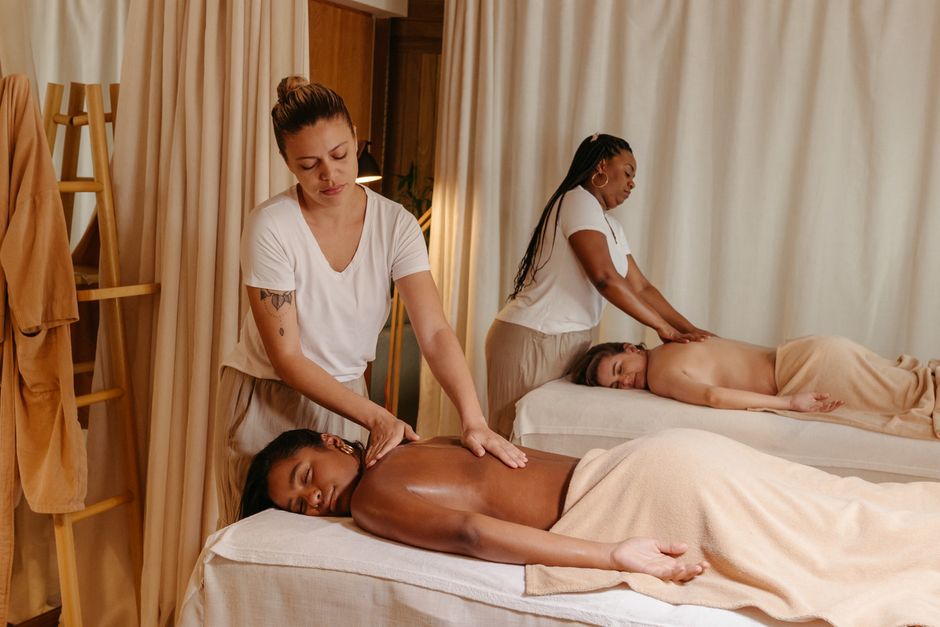
Scotland's capital is carrying a heavy psychological load. NHS Lothian reported in its 2025 annual mental health review that one in four adults in the Lothian region sought help for stress or anxiety-related symptoms — a figure that has held stubbornly high since the cost-of-living crisis deepened. With GP appointment waits at some Edinburgh surgeries stretching to three weeks, many residents are looking beyond the waiting room for tools they can use today.
The pressure points are familiar: financial strain, housing uncertainty, fractured work-life boundaries, the low grey light of an Edinburgh winter that lingers well into April. But a growing body of peer-reviewed research now points to a handful of practical interventions that demonstrably cut cortisol levels, reduce perceived stress scores and improve sleep quality — none of which require a prescription or a referral.
First, diaphragmatic breathing. A 2023 meta-analysis published in Frontiers in Psychology found that six weeks of daily slow, deep breathing — five seconds in, five seconds out — reduced self-reported stress by an average of 27 percent across 1,600 participants. The technique costs nothing and takes under ten minutes. The Edinburgh-based charity Breathing Space, which operates a free helpline on 0800 83 85 87, incorporates similar methods into its telephone support sessions and recommends the practice as a standalone daily habit.
Second, cold-water immersion. It sounds punishing, but the evidence is tightening. Research from University College London published in February 2025 linked regular outdoor swimming to measurably lower anxiety scores after just eight weeks. Membership at the Warrender Swim Centre on Thirlestane Road in Marchmont runs to around £35 a month, and the pool's early-morning lane sessions at 6.30am attract a dedicated crowd of stress-conscious regulars. Portobello Beach remains the free alternative, with wild swimmers gathering year-round at the eastern end near the promenade.
Third, structured journalling. Not the vague diary-entry kind — expressive writing that focuses specifically on what is worrying you and, crucially, a potential path through it. Psychologist James Pennebaker's foundational studies, replicated as recently as 2024 by researchers at King's College London, showed that 15 to 20 minutes of this type of writing, four days in a row, produced measurable reductions in stress biomarkers. The approach is central to the eight-week Mindfulness-Based Stress Reduction course offered by the Edinburgh Mindfulness Centre on Causewayside.
Fourth, green-space exposure. A 2019 landmark study in Scientific Reports found that spending at least 120 minutes a week in nature was consistently associated with better mental health outcomes. Edinburgh is unusually well placed. Holyrood Park, which sits within walking distance of the Royal Mile, offers 260 acres of volcanic hillside and meadow. The Water of Leith Walkway runs 12 miles from Balerno through Stockbridge and into Leith, and Mental Health Scotland actively promotes it as part of its Walk for Wellbeing initiative. The route is free, open daily, and increasingly well-lit.
Fifth, social prescribing. The evidence for human connection as a stress-reducer is now robust enough that NHS Lothian formally integrated social prescribing into its primary care framework in January 2025. GPs at practices including the Craigmillar Medical Group can refer patients to community activities — walking groups, arts programmes, befriending schemes — rather than defaulting solely to medication. The idea is not to replace clinical care but to sit alongside it.
The practical upshot is this: none of these five techniques demands a significant financial outlay or a lengthy wait for a specialist. Start with two minutes of slow breathing before your morning coffee. Walk the Innocent Railway path through Prestonfield once this week. Book a single session at the Edinburgh Mindfulness Centre, where introductory drop-ins are priced at £12, to try structured journalling under guidance.
Stress is not a character flaw or a failure of resilience. It is a physiological response that can, the research increasingly confirms, be managed with consistent, simple practice. The tools are here. The science backs them. The only remaining question is whether you pick one up today. Anyone experiencing acute mental health difficulties should contact their GP or call Breathing Space on 0800 83 85 87.
Wellness

Wellness

Wellness

Wellness
About this article
Published by The Daily Edinburgh
Spread the word
Daily brief
Free, in your inbox before 7am. Weekdays.
The Daily Network — local news across Australia