wellness
Edinburgh's Yoga Studios Now Offer Five Distinct Styles For Different Lifestyles
From fast-paced Vinyasa to restorative Yin, Edinburgh's studios are offering more variety than ever, but choosing the right class matters more than just showing up.
How we reported this
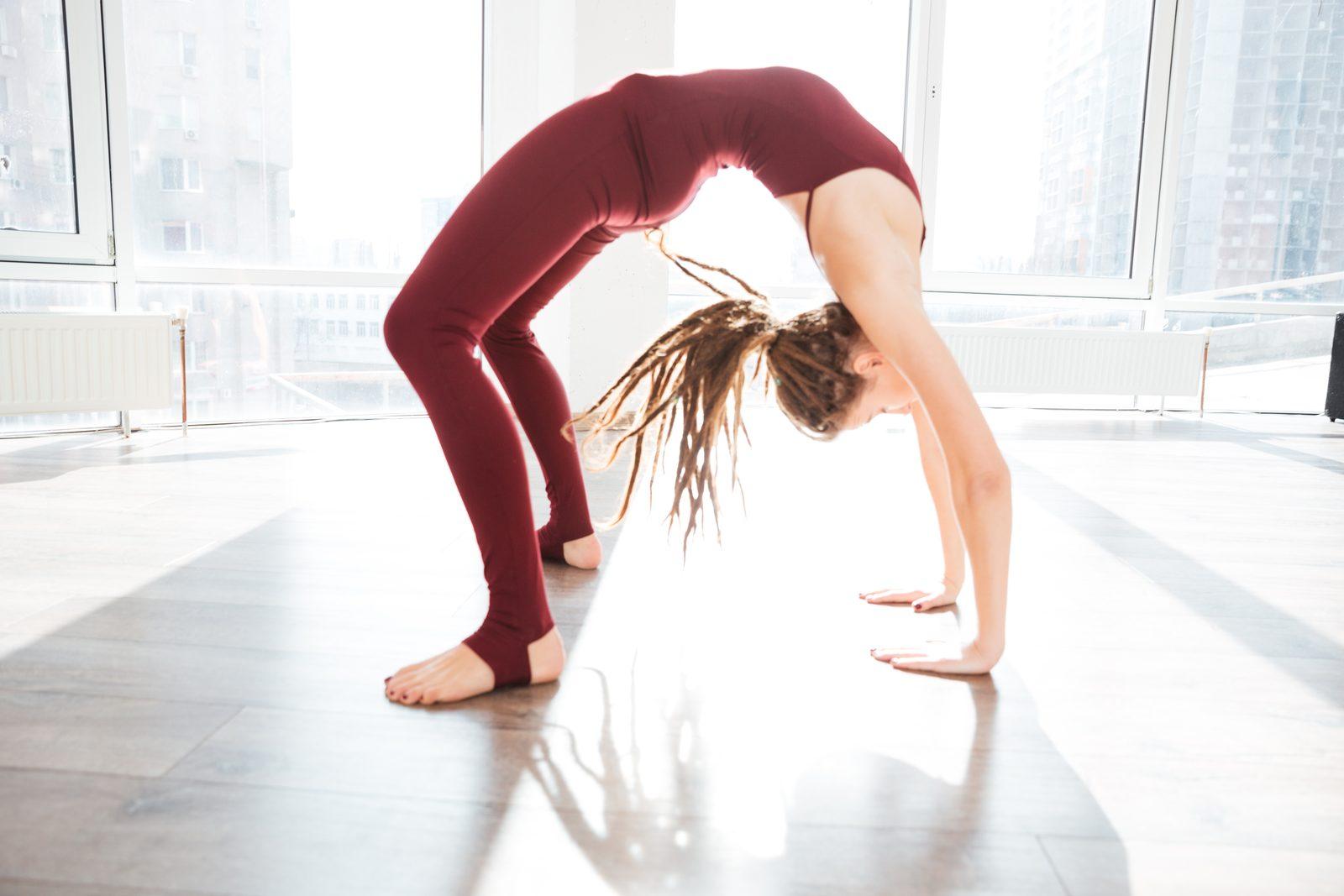
Edinburgh's yoga scene has never been more crowded. Across the city, from Leith Walk to Bruntsfield, studios are reporting consistently full classes in the first half of 2026, with beginner slots at several venues now requiring bookings two weeks in advance. The question isn't whether to try yoga, it's which of the dozen-plus styles on offer won't leave you baffled, bored, or wrecked by Wednesday.
The surge in interest isn't happening in a vacuum. Scottish NHS data from 2025 showed that one in three adults in Lothian reported significant stress-related sleep disruption, and GPs across the region have increasingly pointed patients toward structured mindfulness activities as a complement to clinical care. Yoga, depending on the style, can address everything from anxiety and chronic back pain to cardiovascular fitness. The catch is that 'yoga' covers an enormous range of physical and mental demands, and picking the wrong class for your current fitness level or life stage is one of the main reasons new practitioners quit within six weeks.
Know your styles before you book
Hatha yoga is the sensible starting point for most people. Classes move slowly, holding poses for several breaths, and instructors spend time on alignment. Edinburgh's Meadowsweet Yoga on Marchmont Road runs dedicated Hatha fundamentals courses every eight weeks, priced at £85 for a six-session block. It's suitable for people recovering from injury, those over 50, or anyone who hasn't exercised regularly since before the pandemic.
Vinyasa, sometimes marketed as Flow yoga, is the one you'll see photographed on social media. Poses link together in sequences timed to breath, and a 60-minute class can feel closer to an aerobics session than a meditation retreat. Meadowbank Sports Centre, recently refurbished at a cost of £43 million and reopened in 2023, includes Vinyasa classes in its weekly group exercise timetable, with drop-in sessions at £7.50. If you're already reasonably active and want something that builds both strength and focus, this is the obvious entry point.
Ashtanga is Vinyasa's more disciplined older sibling, a fixed sequence of poses practised in the same order every time. The Ashtanga Yoga Edinburgh collective, based near Tollcross, holds Mysore-style self-practice sessions three mornings a week from 6:30am. It rewards consistency over casual dipping-in. Practitioners typically commit to three sessions per week for the first three months before the sequences become second nature.
Yin yoga sits at the opposite end of the effort spectrum. Poses are held for three to five minutes, targeting connective tissue rather than muscle. It's slow, sometimes uncomfortable in a deeply internal way, and frequently described by regulars as the most mentally demanding style despite the apparent stillness. The Trishula studio on Easter Road runs a Friday evening Yin class specifically designed to decompress from the working week, £12 drop-in. Several physiotherapists in the New Town now recommend Yin as a complement to rehabilitation programmes for hip and lower-back issues.
Hot yoga and the less obvious options
Bikram and its looser cousin Hot yoga have maintained a loyal following despite mixed coverage over the years. Classes are held in rooms heated to around 38°C, and the theory is that heat allows deeper stretching and accelerates detoxification. Fierce Grace Edinburgh, operating out of a dedicated studio near Haymarket, runs heated classes seven days a week. Monthly memberships start at £65. Heat-based yoga is not recommended for people with cardiovascular conditions, and anyone with blood pressure concerns should speak to their GP before booking.
Restorative yoga, often confused with Yin, uses props, bolsters, blocks, blankets, to support the body entirely passively. There is almost no physical exertion. It's primarily a nervous-system tool and is increasingly used in therapeutic settings for people dealing with burnout or chronic fatigue.
The practical advice is straightforward. Check whether a studio offers an introductory trial, most Edinburgh venues offer a first-week pass for between £20 and £30, covering unlimited classes. Use it to sample at least two different styles before committing to a membership. If you're managing any existing health condition, speak with your GP or a physiotherapist before starting. And if the first class feels wrong, don't blame yoga, you may simply have landed in the wrong room.