lifestyle
Best Restaurants in Edinburgh: Local Food Culture Guide
Discover why Edinburgh's best restaurants stand apart by championing Scottish ingredients and rejecting global trends. Find where to eat locally in 2026.
4 min read
Updated 12 h ago
lifestyle
Discover why Edinburgh's best restaurants stand apart by championing Scottish ingredients and rejecting global trends. Find where to eat locally in 2026.
4 min read
Updated 12 h ago
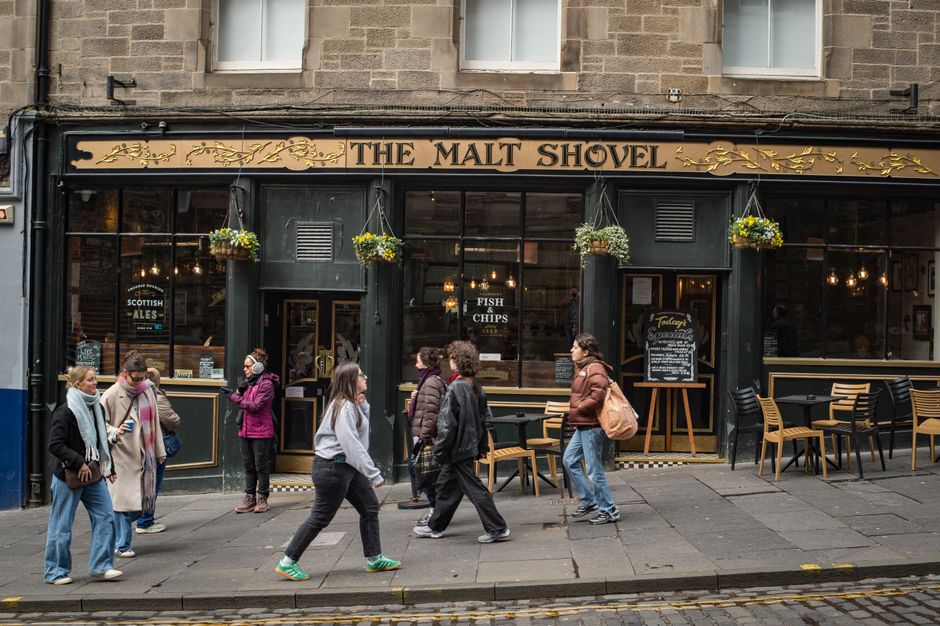
Edinburgh's restaurant sector is experiencing genuine momentum in 2026, but what distinguishes the city's culinary landscape isn't merely the caliber of its chefs or the freshness of its Scottish larder. It's the stubborn refusal of this city's best establishments to chase the globalised playbook that defines dining in London, Paris, or New York.
The timing matters. As extreme weather batters food supply chains across Europe—with France enduring unprecedented heat stress on its agricultural systems—Edinburgh's geographic position and its deep-rooted relationships with Highland and Lowland producers have become a genuine competitive advantage. Local restaurateurs aren't scrambling to source ingredients from volatile markets. They're dialling up relationships with farms within a 50-mile radius of the city centre.
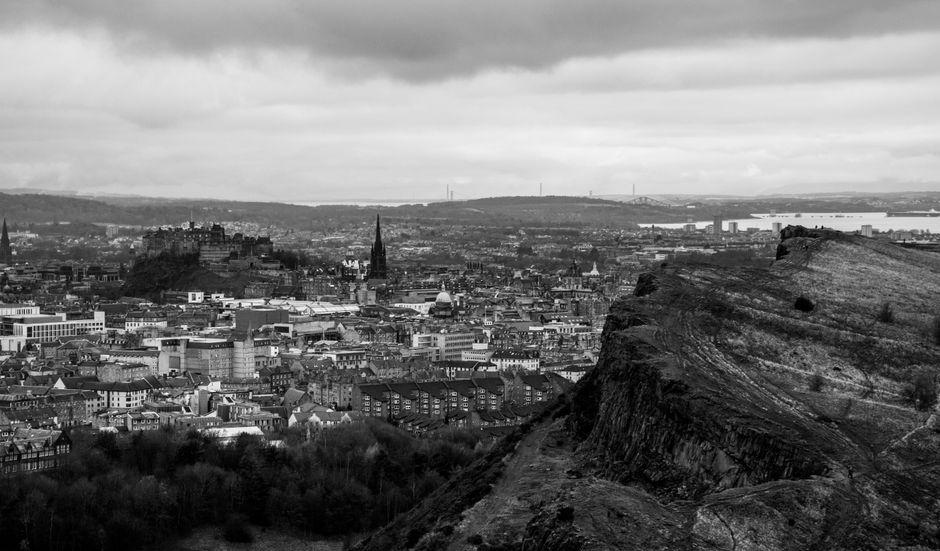
Walk down Thistle Street in the New Town and you'll find establishments like The Witchery Hotel's dining rooms, where dark wood and Scottish Gothic sensibility create an atmosphere that couldn't be transplanted to Dubai or Singapore. The physicality of Edinburgh—those steep closes, the volcanic rock of Castle Hill, the Georgian proportions of Queen Street—shapes how restaurants here operate. Chefs and owners aren't fighting against their setting. They're building within it.
This distinction extends to menu philosophy. While restaurant groups in major financial centres obsess over Michelin stars and Instagram aesthetics, Edinburgh's dining scene has cultivated something messier and more resilient. Take the Stockbridge neighbourhood, where smaller venues like those clustered around the community have carved out loyal followings without sacrificing margins to chase viral trends. A three-course dinner at most serious Edinburgh restaurants runs between £45 and £75 per person—substantially cheaper than equivalent experiences in London's West End, where the same meal approaches £90 to £120.
That pricing structure reflects a different customer base. Edinburgh draws locals with disposable income and international visitors seeking authenticity, not status symbols. Restaurant owners here aren't mortgaged to the hilt financing £2 million buildouts in Mayfair. They're working with what the city actually is: a medieval and Georgian urban structure where intimate spaces command premium rents precisely because they're small and impractical for chains.
The Scottish Government's Food and Drink Tourism Action Plan, updated in 2024, identified Edinburgh and the Lothians as a distinct culinary region, separate from the broader UK narrative. That administrative recognition matters less than the reality it reflects: Edinburgh chefs source and cook differently than their counterparts in Birmingham or Manchester. Game, seafood, and heritage grains dominate menus not because they're fashionable but because they're genuinely available within the region's established supply networks.
Edinburgh currently hosts approximately 1,800 restaurants and cafés across all price points, according to the latest Edinburgh Tourism Board survey. Of those, roughly 140 establishments feature Michelin recognition or extensive critical coverage. That ratio—roughly one serious restaurant per 13 total venues—is lower than London's and far lower than Paris's, but it's higher than most other UK cities, suggesting a middle ground between mass-market catering and élite dining.
Average spend per cover at Edinburgh's top-tier restaurants increased 8 percent between 2024 and 2026, but that increase tracked inflation and wage rises, not speculative pricing designed to milk tourist demand. Contrast that with global restaurant markets where rents and labour costs have triggered price spirals divorced from ingredient costs.
For visitors arriving this summer—and Edinburgh will see roughly 2.5 million day visitors in 2026 according to tourism projections—the practical advice is straightforward: skip the tourist traps on the Royal Mile and instead explore Broughton Street, where neighbourhood restaurants serve serious food without the theatricality. Book ahead if you want a table anywhere with genuine culinary ambition. And expect to pay what the food and service actually cost, not what the location supposedly justifies. That's the Edinburgh difference.
This article was compiled by AI and screened before publishing. See our editorial standards.
About this article
Published by The Daily Edinburgh
Spread the word
Daily brief
Free, in your inbox before 7am. Weekdays.
The Daily Network — local news across Australia