lifestyle
Why Edinburgh remains an outlier in a world of standardized cities
While global capitals surrender to glass-fronted monotony, the capital of Scotland clings to a jagged, vertical identity that refuses to be tamed.
3 min read
lifestyle
While global capitals surrender to glass-fronted monotony, the capital of Scotland clings to a jagged, vertical identity that refuses to be tamed.
3 min read
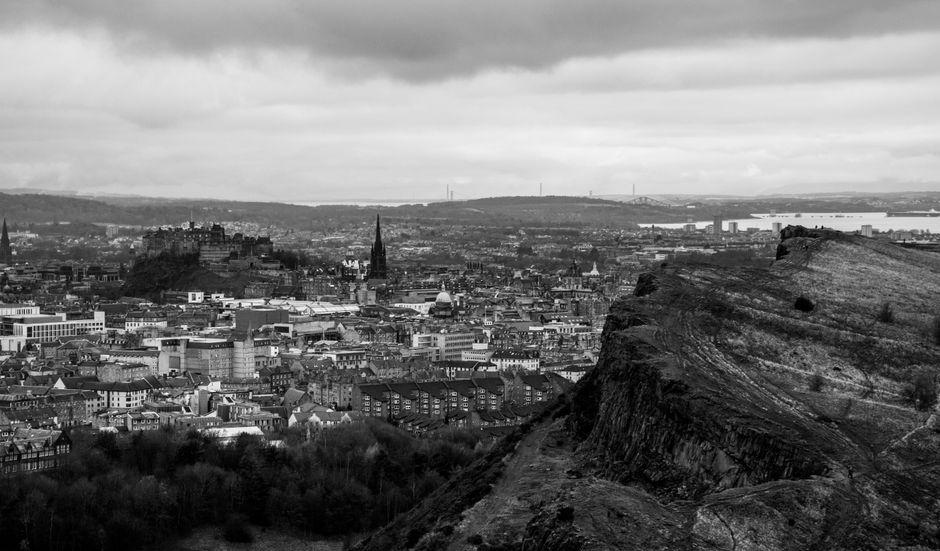
The view from the top of the Scott Monument on Princes Street this morning offered a reminder of why Edinburgh feels like a stubborn holdout in an increasingly homogenized world. As temperatures across Europe climb and geopolitical headlines from Tehran to Abidjan dominate the front pages, the city’s volcanic geography acts as a physical barrier against the bland uniformity sweeping through global financial hubs. Here, 17th-century closes still force the modern world to slow down, funneling traffic into narrow stone arteries that defy the grid-based logic of cities like New York or modern Shanghai.
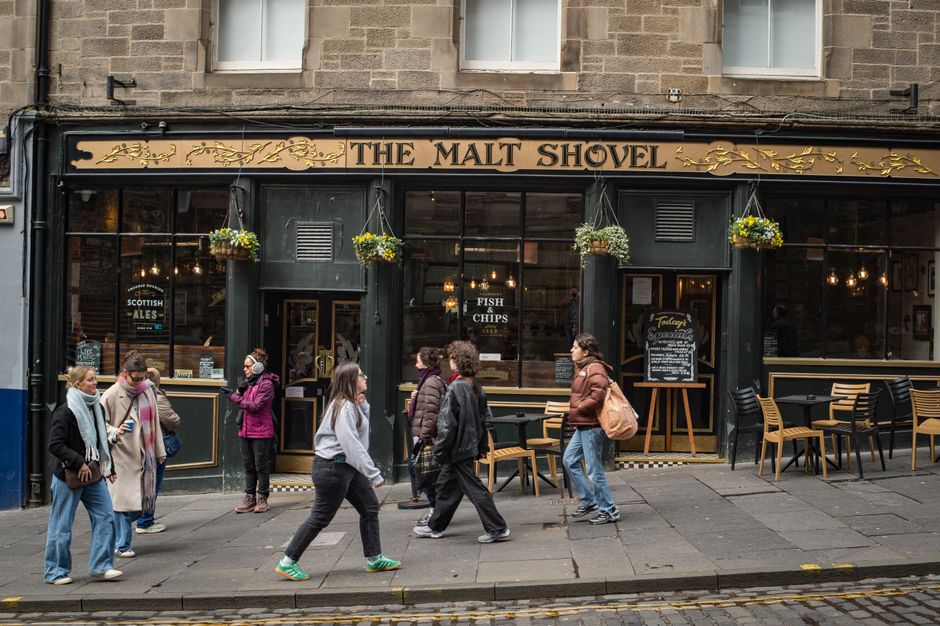
This durability matters because the city is currently navigating a period of unprecedented commercial pressure. The Edinburgh World Heritage trust reports that keeping the Old Town’s skyline intact now requires a delicate balance between preserving 15th-century tenements and accommodating the digital infrastructure of a modern service economy. On Victoria Street, business owners are not just competing with e-commerce giants; they are managing physical assets that have stood since the reign of James VI. Unlike the sprawling, flat expansion seen in many Western European municipalities, Edinburgh remains compressed, a quality that fosters a density of experience rarely found in cities three times its size.
You can track this intensity through the city's independent venues, such as The Filmhouse on Lothian Road or the cramped, subterranean jazz bars tucked into the vaults of the South Bridge. These are not curated corporate spaces. They are relics of an urban planning style that prioritized verticality over efficiency. Data from the 2026 City Economic Review suggests that despite a 14% increase in short-term let conversions over the last three years, the core independent retail sector in areas like Stockbridge continues to outperform national averages, largely because the physical layout prevents the entry of large-format retail chains that require significant square footage.
Maintaining this unique character comes at a measurable cost. The average monthly rent for a one-bedroom apartment within the EH1 postcode currently sits at roughly £1,350, a reflection of the intense demand to inhabit a cityscape that physically resists alteration. City planners are currently reviewing the 2026-2030 Local Development Plan, which aims to protect the view cones from Calton Hill against the encroachment of high-rise glass developments. While a developer in London or Dubai might look at an empty lot and see a skyscraper, a developer in Edinburgh is forced to confront the sightline protections dictated by historic preservation laws that date back decades.
For residents and visitors, the result is a city that feels permanently caught between centuries. As the summer festival season begins to ramp up, the influx of millions of people will once again test the city's narrow medieval thoroughfares. If you are planning to navigate the city center in the coming weeks, stick to the upper levels of the Royal Mile before 9:00 a.m. to avoid the worst of the congestion. By mid-morning, the sheer volume of humanity makes the stone walls of the Grassmarket feel like a bottleneck, proving that while Edinburgh’s unique geography is its greatest asset, it remains a fragile one.
About this article
Published by The Daily Edinburgh
Spread the word
Daily brief
Free, in your inbox before 7am. Weekdays.
The Daily Network — local news across Australia