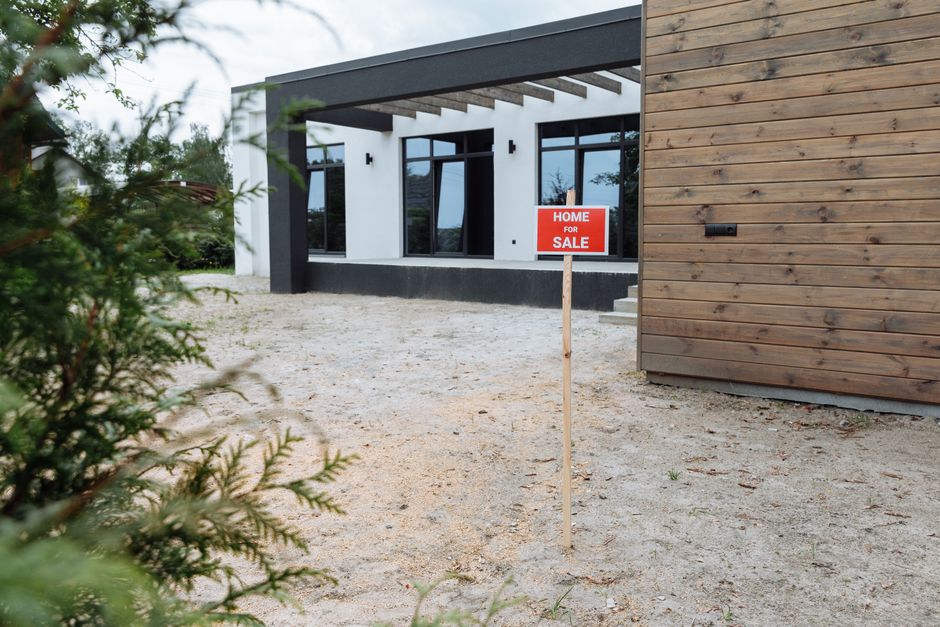
Edinburgh's private rental market has reached a crisis point. Vacancy rates across the city fell to approximately 1.8 percent in the second quarter of 2026, according to data compiled by Citylets, leaving prospective tenants facing a market where the average property attracts more than a dozen applications within 48 hours of listing. For context, a healthy rental market typically sits somewhere above 5 percent vacancy. Edinburgh is less than half of that.
This matters now because Scotland's Cost of Living (Tenant Protection) Act provisions have been winding down through 2025 and into 2026, removing the emergency rent caps that briefly slowed price growth during the cost-of-living crunch. Landlords who held rents artificially flat for two years have been adjusting upward sharply, and a significant number have sold properties altogether rather than navigate the regulatory uncertainty — shrinking supply at exactly the moment demand from students, young professionals and inward-migration workers remains stubbornly high.
Where the Pressure Is Worst
Marchmont and Bruntsfield are the sharpest examples of the squeeze. A two-bedroom tenement flat in Marchmont that rented for £1,350 a month in early 2024 now regularly lists at £1,750, and prospective tenants report offering several months of rent upfront simply to stand out. Leith Walk and Dalry are seeing similar pressures, with one-bedroom properties routinely clearing £1,200 a month — figures that were considered exceptional for the city centre eighteen months ago.
Shelter Scotland, which operates a frontline advice service out of offices on South Charlotte Street, has reported a 34 percent increase in calls from people unable to secure a tenancy despite having sufficient income and good references. The organisation points to landlord exit from the sector as a structural problem, not a cyclical blip. Since January 2025, the number of private rental listings across Edinburgh registered with the Scottish Landlord Register has dropped by roughly 11 percent compared to the same period in 2024.
The student population adds a distinct seasonal crunch. The University of Edinburgh and Edinburgh Napier University between them enrol more than 50,000 students, and each July sees a frantic scramble for properties ahead of the September intake. Letting agents on Lothian Road and Frederick Street describe a situation where viewings are conducted in groups and decisions made within hours.
Does Buying Actually Make More Sense?
The arithmetic is uncomfortable for renters willing to run the numbers. The average asking price for a two-bedroom flat in Edinburgh currently sits around £310,000, according to the Edinburgh Solicitors Property Centre's June 2026 market report. At current mortgage rates — a two-year fixed deal from a major lender is running at approximately 4.3 percent for borrowers with a 10 percent deposit — monthly repayments on a £279,000 mortgage land around £1,530. That is materially cheaper than renting an equivalent property in Marchmont or Morningside, where landlords now routinely achieve £1,750 to £1,900 a month.
The catch is the deposit. Saving £31,000 while paying £1,750 a month in rent is a near-impossibility for many working households. The Scottish Government's First Home Fund, relaunched in its current form through Revenue Scotland, provides up to £25,000 in shared equity contribution for first-time buyers, but demand for the scheme consistently outstrips annual allocations, and applicants are advised to move fast each financial year when the fund reopens.
For anyone in the market right now, practical options are limited but not nonexistent. Registering with multiple letting agents — not simply browsing Rightmove and Zoopla — remains one of the most effective strategies, according to advisers at the Edinburgh-based tenancy charity Cyrenians. Properties frequently go to applicants already known to agencies before they appear online. Co-purchasing with a partner or family member, restructuring household budgets to hit the First Home Fund criteria, or considering less-pressured areas like Portobello or Gilmerton rather than the Southside may be the difference between securing a roof and spending another winter in limbo.
The vacancy rate will not recover quickly. Until new build completions catch up — and the City of Edinburgh Council's housing pipeline remains well short of the 20,000 new homes target set out in its Local Development Plan — competition will remain punishing for anyone without a deposit saved and a mortgage offer in their back pocket.