Property
How Much Rent is Too Much? The 30% Rule in Practice in Edinburgh
Edinburgh tenants are finding the classic affordability benchmark increasingly out of reach as city rents hit record heights.
3 min read
Property
Edinburgh tenants are finding the classic affordability benchmark increasingly out of reach as city rents hit record heights.
3 min read
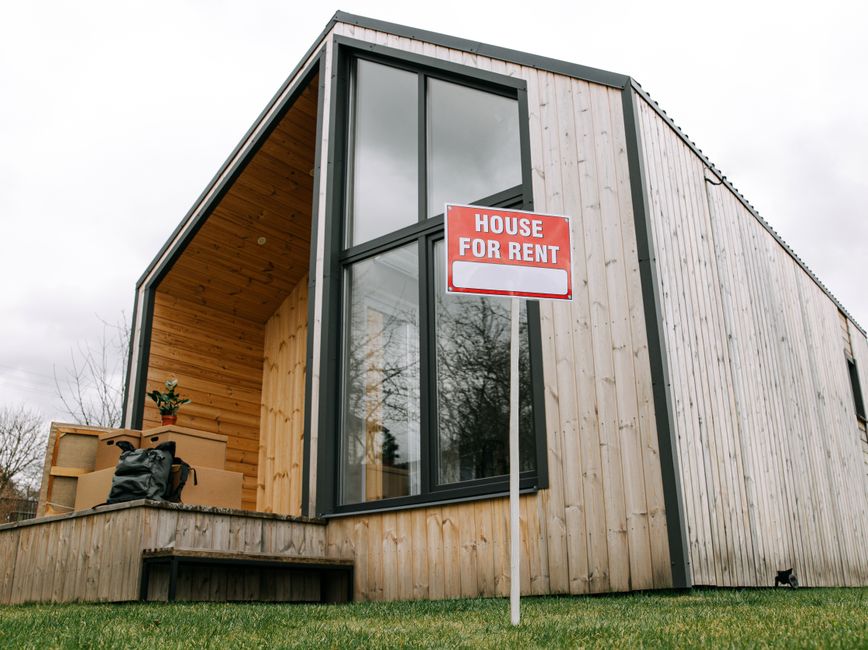
Gorgie resident Emily McEwan spends more than £1,150 a month for her two-bedroom flat on Slateford Road—nearly 45% of her take-home pay. She’s not alone. According to new figures from Citylets this week, median monthly rents in Edinburgh hit £1,375 in late June, placing fresh strain on renters across the capital and pushing many well beyond the traditional 30% affordability rule.
The affordability crisis comes at a tense time. Rents in Edinburgh have soared nearly 11% in the past twelve months, even as wage growth struggles to keep up with inflation. With many aspiring homeowners frozen out by high deposit requirements and mortgage rates hovering near 5.3%, renting has become a long-term reality for thousands of city residents. The question for many: how much is too much before the budget breaks?
For decades, the "30% rule" has acted as a standard: households should spend no more than 30% of their income on housing costs. But in areas such as Marchmont, Leith Walk and Bruntsfield, a one-bedroom flat routinely commands £1,150 to £1,300 per month. Renters earning Edinburgh’s median wage of £31,000 (about £2,020 net per month) now face paying 55% of their take-home pay to rent in some central locations.
The situation has prompted intervention from local organisations. Shelter Scotland, whose Edinburgh headquarters sit just off South Charlotte Street, reports a 36% rise in calls from renters on the city’s Southside since April. Edinburgh Council’s Private Rented Sector Team, based on Waverley Court, has received a wave of enquiries about rent adjudication by the First-tier Tribunal. Meanwhile, housing advocates say the problem is especially acute for key workers commuting from areas like Portobello or Craigentinny, where rents have increased sharply since early 2025.
Data released by the Scottish Government in June reveals that more than 41% of private renters in the City of Edinburgh now spend over 35% of their gross income on rent—a figure up from 33% just two years ago. The council’s own housing projections warn of continued pressure: the Local Housing Strategy 2025 draft report estimates an annual shortfall of 3,300 affordable homes, compounding the squeeze. While the city centre remains the priciest area, rents in Dalry and Tollcross saw some of the sharpest percentage increases this spring, jumping by more than 9% compared to the previous quarter.
Amid these numbers, the sector’s divide is stark: while well-paid professionals are sometimes able to absorb the extra cost, students and low-wage earners find themselves at breaking point. The University of Edinburgh’s Advice Place on Potterrow has seen a 24% rise in requests for rent hardship support since the January term began.
With no sign of a dramatic market correction, experts predict continued pressure. Renters are urged to track their monthly housing ratio—ideally keeping it at or below the 30% guideline, though for most in central Edinburgh, that means moving further afield or sharing accommodation. Edinburgh Council’s Tenant Grant Fund still has limited emergency assistance for those facing immediate crisis. For tenants, careful budgeting and checking eligibility for schemes like the Discretionary Housing Payment may offer short-term relief, but the city-wide affordability crunch looks set to continue into 2027 and beyond.
About this article
Published by The Daily Edinburgh
Spread the word
Daily brief
Free, in your inbox before 7am. Weekdays.