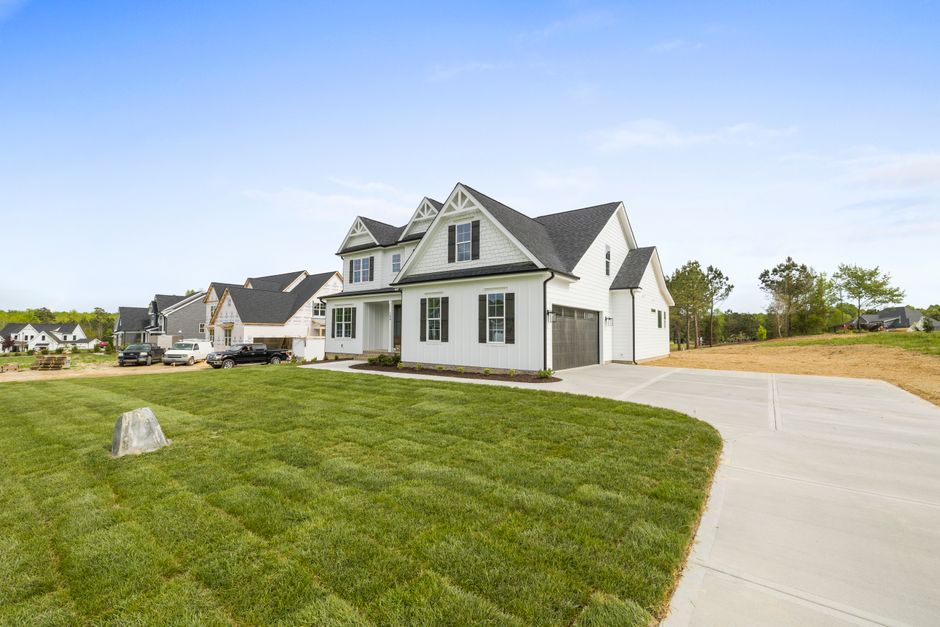
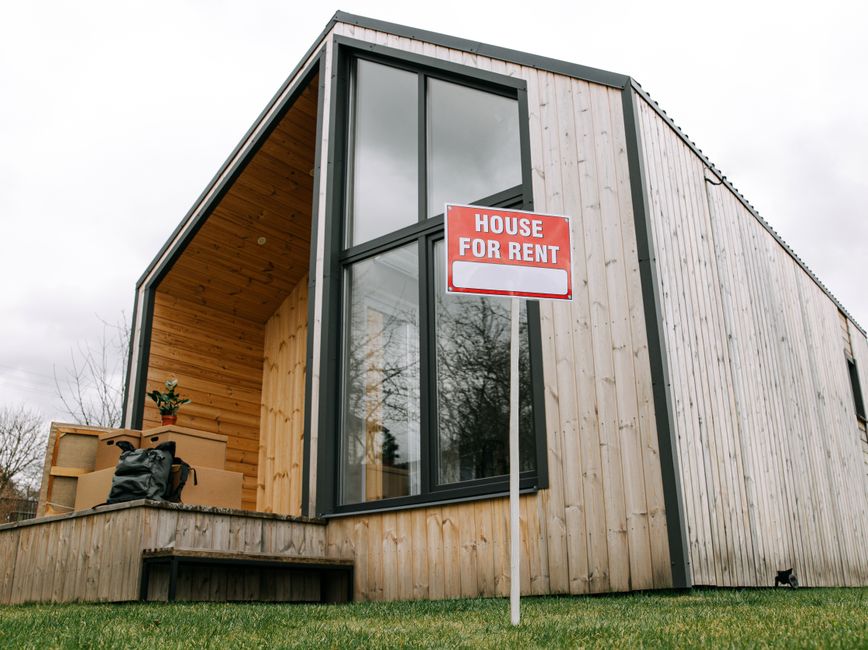
For the first time in more than a decade, buyers in several Edinburgh suburbs are facing lower monthly costs than renters, as soaring rental prices outpace modest mortgage rates on the city’s fringe. The shift is most stark in Balerno and Corstorphine, where a standard two-bedroom flat now costs less to buy than to let.
This cross-over is drawing the attention of first-time buyers and investors alike, especially after private rents jumped by an average of 9.2% across Greater Edinburgh in the last year, according to new data from Lettingweb and Scottish Government statistics. The debate over rent controls and the cost-of-living crisis has made the choice between renting and buying a hot topic in households across the city this summer.
Balerno and Corstorphine Lead the Shift
Take Balerno, accessed by the leafy A70 and popular with young families eyeing Dean Park Primary School. In June 2026, the average rent for a two-bedroom flat reached £1,310 per month (up from £1,095 last summer). Meanwhile, a buyer putting down a standard 10% deposit on a £235,000 property would be looking at mortgage repayments closer to £1,040 per month, assuming a 4.7% fixed rate over 25 years. Factoring in Council Tax Band D (£1,910 annually) and modest maintenance, buyers are now better off monthly than renters—if they can muster the deposit.
In Corstorphine, a part of Edinburgh traditionally prized for easy tram and road links to the city centre, the gulf is equally clear. Rents for similar two-bed flats have jumped to an average of £1,350 per month, according to Citylets’ June report. By contrast, an equivalent property valued at £240,000 would set buyers back about £1,065 per month on a comparable mortgage. Local agents along St John’s Road reported a surge in buyer enquiries this spring, attributed directly to the reversal in affordability.
Data Draws a Sharp Line
The Scottish Government’s most recent Private Sector Rent Statistics (published May 2026) capture the extraordinary spike: average Edinburgh rents rose more than 30% since early 2022, with the fastest acceleration posted in the last 12 months. Mortgage rates, meanwhile, have ticked lower since the Bank of England’s April rate cut, easing to around 4.5-4.8% on many mainstream fixed deals. Estate agency Aberdein Considine released internal sales data last week showing that owner-occupiers now outnumber investors at their Corstorphine and Barnton branches for the first time since 2020.
This trend isn’t uniform. In city centre hotspots like Marchmont or Stockbridge, sky-high prices keep rents marginally cheaper on a monthly basis. But in these select outer suburbs, the tipping point has unmistakably arrived.
"We're fielding more calls from renters who are crunching the numbers and realising a mortgage makes sense," said a local estate agent in Murrayfield, who asked not to be named. "It’s a marked change from even a year ago." The biggest obstacle remains the hefty upfront deposit—still a challenge as many households struggle to save against the backdrop of stubbornly high inflation.
Would-be buyers considering a move are advised to use local mortgage brokers and to check eligibility for government schemes such as the First Home Fund (reopened for 2026–27), which offers support for deposits. City planners expect the shift to continue in outer zones unless significant new rental supply enters the market. For now, the equation is flipping—and in Balerno and Corstorphine, buying has become the new bargain.